LF Energy Summit Recap and Video: Challenges and Opportunities Working with Battery Data
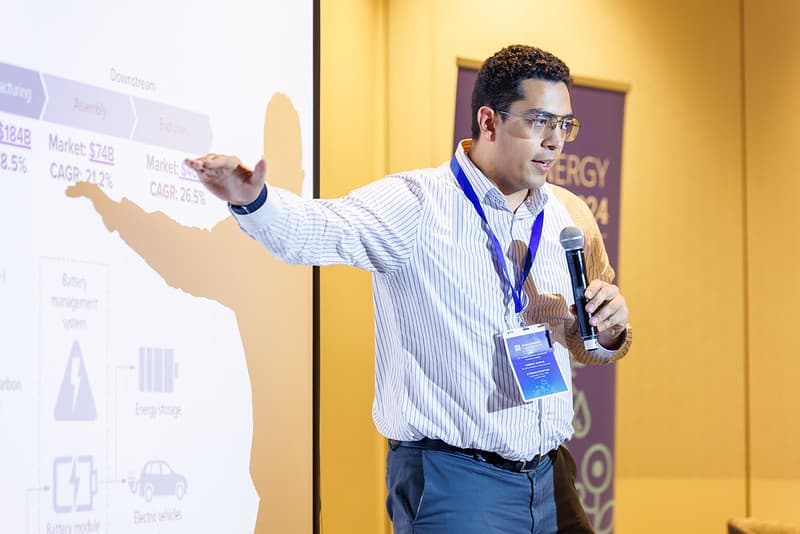
Gabe Hege, chairperson of the Battery Data Alliance and AmpLabs founder, presented at LF Energy Summit 2024 in Brussels on the challenges and opportunities in battery data.
A Growing Industry
Hege outlined rapid growth in the battery sector, particularly in passenger electric vehicles and battery energy storage systems. Investment in battery energy storage is projected to reach $120–150 billion by 2030. China leads demand and production, though Europe is expanding efforts significantly.
The Data Standardization Challenge
The primary obstacle: lack of data standardization. Companies protect proprietary data competitively — Hege compared it to “Coca-Cola's secret formula” — limiting industry collaboration and slowing technological progress. Data fragmentation across the supply chain prevents researchers and manufacturers from accessing the quality information necessary for innovation.
Battery Software Landscape
Hege categorized battery software into four areas:
- Design Analytics — initial battery cell creation
- Process Control — production management
- Manufacturing Analytics — workflow optimization
- In-Field Analytics — post-deployment performance monitoring
He emphasized in-field analytics' untapped potential, particularly regarding grid integration feedback loops that help manufacturers improve future designs.
Open Source Solutions
The Battery Data Alliance promotes data sharing through open-source tools including BatETL and BatDB for battery data pipelines, and the Battery Data Ontology for standardizing formats across organizations. Hege stressed developing common test protocols linking battery and grid operators, noting that real-world deployment data provides manufacturers invaluable insights.
Call to Action
Hege urged participants to contribute to Battery Data Alliance projects or support new data standard development, emphasizing collaboration's necessity for meeting battery demand sustainably.